
Dropbox Agrees to Acquire Tigris for $350 Million
Dropbox agrees to acquire Tigris Data for about $350 million, giving the file-storage company a new infrastructure business built for artificial intelligence workloads. Dropbox expects the transaction to close in the fourth quarter of 2026.
The deal, announced November 5, is tied to a broader product launch called DBX Agent Cloud. Dropbox is pitching the platform as a place where software agents can store large datasets, retrieve business context and keep files available across long-running tasks.
The announcement combines three parts:
- A definitive agreement to acquire Tigris Data.
- Standalone S3-compatible object storage for AI workloads.
- Future file-system and content-processing services for agents.
Further Reading
Dropbox Agrees to Acquire Tigris Under a Cash Deal
Dropbox signed the definitive agreement on November 3, according to its filing with the US Securities and Exchange Commission. The purchase price covers all outstanding Tigris equity and remains subject to customary adjustments, approvals and closing conditions.
Because the transaction has not closed, Tigris remains a separate company for now. Dropbox expects completion during the current quarter, but its timing can still change if a condition is not satisfied.
Tigris operates globally distributed object storage designed to place data near the computing resources that use it. Its service supports the widely adopted S3 application programming interface, which should let existing cloud tools connect without a proprietary storage protocol.
Dropbox says Tigris automatically distributes data and does not charge egress fees, a cost that can become significant when training pipelines or agents move large datasets between locations. Those commercial claims will matter most when customers can compare performance and total cost in production.
DBX Agent Cloud Starts With S3-Compatible Storage
The first DBX Agent Cloud product will be a standalone object-storage service powered by Tigris. Dropbox plans to add a file system and content-processing capabilities so agents can preserve working data, return to earlier tasks and access the context needed for later actions.
This is a meaningful shift for Dropbox. The company is known for synchronizing office files for people and teams, while object storage is core infrastructure used by developers, model builders and automated applications.
The acquisition would put Dropbox into closer competition with cloud-storage services from Amazon Web Services, Google Cloud and Microsoft Azure. Its distinction rests on combining developer infrastructure with the permissions, collaboration history and business files already managed inside Dropbox.
Tigris also gives Dropbox a technical base for workloads that operate across regions. AI applications often ingest documents, generated media and model outputs from multiple locations, creating demand for storage that can follow compute resources without manual replication rules.
Dropbox Brings AI Actions Into Existing Files
DBX Agent Cloud is only one side of the strategy. Dropbox has also rebuilt its user-facing AI experience around search and actions across business content, and says more than 70,000 teams have used the updated product.
Eligible Standard and Advanced customers in the United States, United Kingdom and Australia can connect Dropbox content to services including ChatGPT, Claude and Microsoft 365 Copilot. Dropbox says users can choose models while retaining existing file permissions and administrative controls.
The company is adding approval steps, audit trails and the ability to undo supported actions. These safeguards are central to enterprise adoption because an agent that can edit, move or share files creates a different risk from a chatbot that only answers questions.
Dropbox plans wider availability in 2027. That schedule means the acquisition announcement should be read as a roadmap as well as a product launch: the object-storage entry point is concrete, while the broader agent platform will arrive in stages.
Slow Core Growth Raises the Stakes
The Tigris deal arrives as Dropbox searches for faster-growing businesses. The company reported third-quarter revenue of $637.3 million, up 0.5% from a year earlier, and 18.20 million paying users.
A $350 million purchase is a substantial wager against that backdrop. If Dropbox can sell infrastructure to AI developers while expanding the value of its existing content platform, it gains two routes to growth from the same storage expertise.
The harder task will be proving that DBX Agent Cloud offers enough operational advantage to change developer behavior. S3 compatibility reduces migration friction, but reliability, latency, regional coverage, security controls and pricing will determine whether customers move critical workloads.
Investors and customers should now watch for the transaction's close, the release terms for standalone object storage and evidence that Dropbox can integrate Tigris without disrupting its service. The acquisition creates the technical foundation; adoption will show whether it becomes a durable new business.
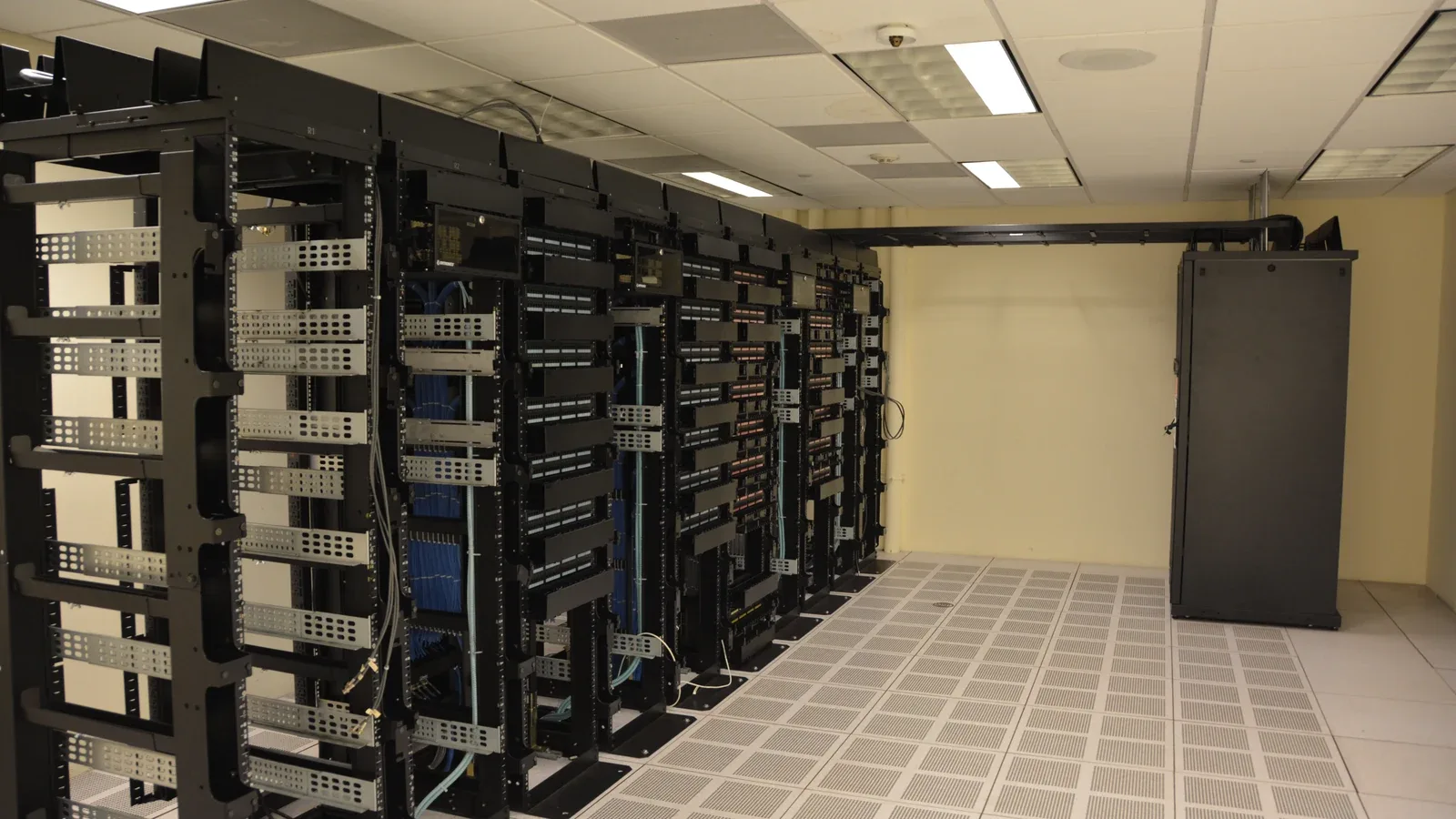
Feature image: Illustrative data-center server racks photographed by Carl Lender, cropped and resized, licensed under CC BY 2.0.