
Drax-Brookfield AI Data Centre Plan Could Top £20 Billion
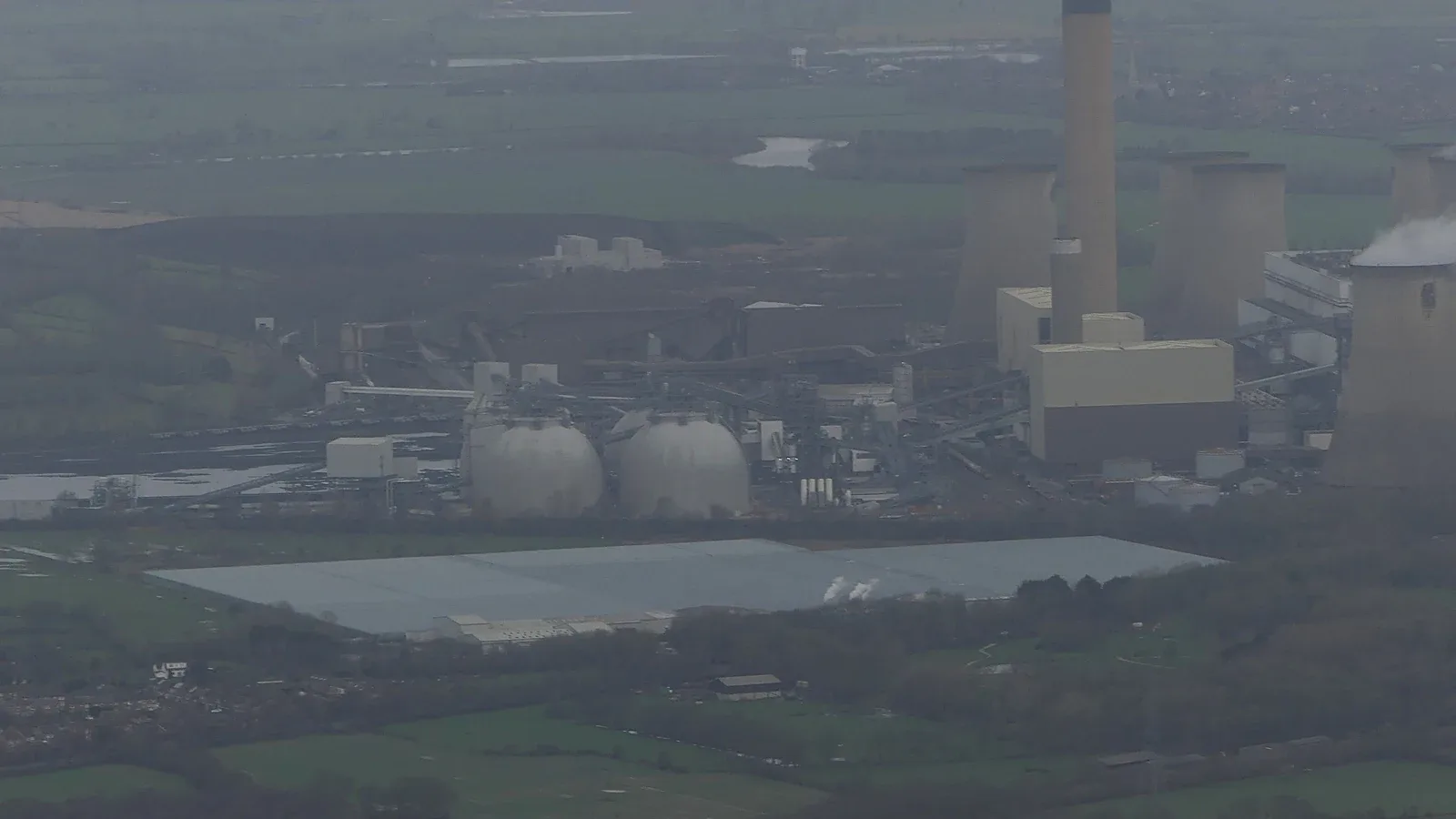
The Drax-Brookfield AI data centre plan could bring more than £20 billion of investment to Drax Power Station in North Yorkshire. Drax, Brookfield and Brookfield-backed operator Radiant signed a partnership to develop a computing campus that could eventually exceed one gigawatt.
The announced programme has four defining numbers:
- More than £20 billion in potential total investment.
- £2.5 billion associated with the initial phase.
- Up to 100MW targeted for early 2028.
- More than 1GW of possible capacity across all phases.
Drax-Brookfield AI Data Centre Plan Targets Three Phases
The first phase would place up to 100MW of compute capacity on land at Drax Power Station. Radiant is targeting commercial operations from the first quarter of 2028, while Drax is preparing a planning application and expects to begin public consultation in November 2026.
Phase 1 would import electricity through the existing grid connection. Radiant will lead design, customer engagement and commercialisation, while Drax will handle land, planning and power integration. The partners still need an anchor tenant before construction can begin.
The second phase is an ambition to add 500MW between 2028 and 2031. It would use a behind-the-meter arrangement drawing on generation at the power station under a long-term power purchase agreement, subject to government consent and other approvals.
A third phase could add more capacity after 2031. The companies have not published a final size, construction schedule or customer list for that stage, so the headline one-gigawatt figure remains a development target rather than committed operating capacity.
The £20 Billion Estimate Includes Chips
Brookfield estimates that the full development, including semiconductor chips, could exceed £20 billion. That scope matters because the total covers computing equipment as well as land, buildings, electrical systems and cooling, making the estimate broader than the cost of a conventional property development.
The initial £2.5 billion is tied to Phase 1, but the announcement does not describe it as money already spent. Capital would come through the Brookfield-Qai AI infrastructure joint venture, with Qatar-based technology company Qai participating alongside Brookfield.
Drax shares rose about 9% after the announcement, Reuters reported, reflecting investor interest in a new commercial use for the site. That market reaction does not remove the project’s execution risks or convert later phases into binding investment commitments.
The partnership gives each participant a distinct role. Drax contributes land, power and grid access; Radiant brings data-centre design and operations; Brookfield supplies capital and infrastructure expertise; and Qai links the project to the joint venture’s international AI investment programme.
Drax Power Station Offers Grid and Generation Capacity
The site combines more than 1,000 acres with roughly 4GW of grid access, 2.6GW of active dispatchable generation and existing cooling systems. It is also close to the UK fibre network, reducing some of the physical constraints that often delay large computing projects.
Those assets explain why an operating power station can compete with a greenfield data-centre location. Grid connections of this scale are difficult to obtain quickly, and AI facilities need dependable electricity, network connectivity, cooling and enough land for phased expansion.
Phase 2 would intersect with Drax’s existing energy arrangements. A government contract supports about six terawatt-hours of annual biomass generation from April 2027 through March 2031 and contains a mechanism for Drax to request that up to 500MW serve a data centre.
Any request would require agreement from the UK government and the Low Carbon Contracts Company. Officials would consider consumer value, energy security and sustainability, while Drax says the power station’s role in system security and grid services would remain unchanged.
Planning, Power and Customers Remain Open Conditions
The first phase still requires planning, regulatory and network approvals, an acceptable tenant, commercial agreements and final investment decisions by the parties. These conditions separate a signed development partnership from a fully financed construction project.
A forthcoming community consultation will offer the first detailed public test of the plans. The partners also expect to create a voluntary community benefits fund in addition to normal planning obligations and Drax’s existing local programmes.
The project also gives the UK a concrete test of its policy to accelerate strategically important data centres. Faster planning and access to power could improve the country’s appeal to AI operators, but the Drax proposal must still show that national infrastructure goals can coexist with local consent and energy-system requirements.
The most important next milestones are a submitted planning application, named tenants, regulatory decisions and final investment approval for Phase 1. Until those arrive, the £20 billion figure describes the upper potential of a phased campus, while the 100MW opening stage provides the clearest near-term measure of delivery.
Image: Drax Power Station in February 2026, photographed by Simon Tomson via Geograph Britain and Ireland/Wikimedia Commons, licensed under CC BY-SA 2.0. Cropped to 16:9.
Further Reading