
OpenAI Develops Custom AI Chips to Reduce Dependence on Nvidia
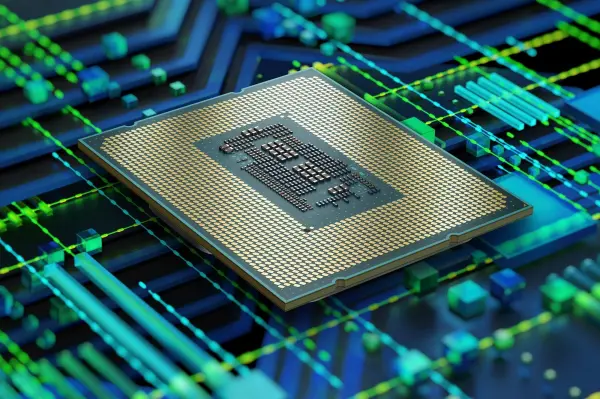
OpenAI is moving beyond software and into the world of chip development, a decision that could have far-reaching implications for the future of artificial intelligence infrastructure. According to recent reports, the company is preparing to introduce its first custom-designed AI chip, representing a significant milestone in its effort to control more of the technology stack that powers advanced AI systems.
The project highlights one of the biggest challenges facing the AI industry today: access to computing power. Modern AI models require enormous amounts of processing capability to train, deploy, and operate at scale. As demand for AI services continues to grow, competition for high-performance chips has intensified across the technology sector.
For years, Nvidia has dominated this market. Its graphics processing units have become the foundation of much of the world's AI infrastructure, powering everything from large language models to enterprise AI platforms and scientific research projects. The rapid growth of generative AI has turned Nvidia into one of the most valuable companies in the world.
OpenAI's custom chip initiative signals a desire to reduce reliance on external suppliers while improving control over performance, efficiency, and long-term costs. Industry observers view the effort as part of a broader trend in which major AI companies are seeking to develop specialized hardware optimized for their own workloads.
The reported chip project is being developed in partnership with Broadcom, a company known for designing advanced networking and semiconductor technologies. By working with an experienced chip partner, OpenAI can accelerate development while focusing on hardware specifically tailored to the needs of its AI models.
Custom chips offer several advantages over general-purpose hardware. They can be designed to execute specific AI operations more efficiently, potentially reducing energy consumption and improving performance. For companies operating massive AI data centers, even small improvements in efficiency can translate into significant cost savings.
The timing of the project reflects the growing scale of AI infrastructure investment. Technology companies are collectively spending hundreds of billions of dollars on data centers, processors, networking equipment, and power systems needed to support next-generation AI applications. Infrastructure has become one of the most competitive areas of the AI race.
The move also demonstrates how AI companies are evolving. Early competition focused primarily on building better models and attracting users. Increasingly, success depends on securing the hardware, energy resources, and supply chains required to support those models at scale.
Analysts believe custom silicon could become an important competitive advantage for leading AI developers. Companies that control both software and hardware may be able to optimize systems more effectively than organizations relying entirely on third-party infrastructure.
The announcement arrives during a period of growing concern about global chip supply. Demand for AI processors continues to outpace supply in several segments of the market, prompting companies to explore alternative approaches. Developing custom hardware provides a way to reduce exposure to shortages while creating technology tailored to specific business needs.
OpenAI's effort also places it alongside other major technology firms that have invested heavily in proprietary chips. Google has developed its Tensor Processing Units, Amazon operates its Trainium and Inferentia chips, and Microsoft has expanded work on custom AI hardware. The industry is increasingly moving toward vertically integrated AI ecosystems.
As artificial intelligence becomes more deeply embedded in business operations, research, education, healthcare, and consumer products, the importance of specialized hardware is expected to increase. Future advances in AI may depend not only on smarter models but also on faster, more efficient chips capable of supporting the next generation of intelligent systems.
