
OpenAI Codex Launch Date Confirmed: When Will the AI Coding Device Be Released?
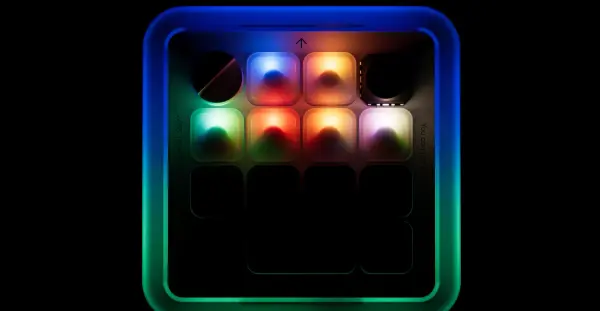
After weeks of speculation across the artificial intelligence community, OpenAI has officially confirmed that its first Codex hardware product will be unveiled on July 15, marking the company's long-awaited entry into AI-focused hardware for software developers.
The announcement has generated significant excitement because it represents OpenAI's first physical product designed specifically to work alongside its rapidly growing family of artificial intelligence models. For developers searching "When will OpenAI Codex launch?", the answer is now clear: the official unveiling is scheduled for July 15.
The upcoming launch is important because OpenAI has traditionally focused entirely on software, with products such as ChatGPT, GPT models, DALL·E, Sora, and Codex operating through websites, APIs, and cloud platforms. The Codex hardware device represents a completely different direction.
Instead of building another AI model, OpenAI is creating a physical tool designed to help developers interact with artificial intelligence more naturally while writing, debugging, reviewing, and testing software. Industry analysts believe this could become the company's first step toward a broader hardware ecosystem for artificial intelligence.
Although OpenAI has not revealed every specification ahead of the launch event, teaser images indicate the device is being developed with Work Louder, a company known for manufacturing premium programmable keyboards and productivity accessories.
Early previews suggest the hardware will feature customizable mechanical keys that allow developers to trigger AI commands instantly without constantly switching between browser tabs, terminals, or applications. Rather than replacing existing development tools, the device appears designed to make AI assistance faster and easier during everyday programming workflows.
The announcement arrives during an intense period of competition in AI-assisted software development. GitHub Copilot continues expanding its enterprise features, Anthropic has invested heavily in Claude Code, Google offers Gemini Code Assist, and Cursor AI has become increasingly popular among professional developers.
Every major AI company now recognizes programming as one of the most valuable applications of artificial intelligence. By introducing dedicated hardware, OpenAI is attempting to differentiate Codex from competitors that exist entirely as software services.
For software engineers, the biggest advantage could be productivity. Modern AI coding assistants are already capable of generating functions, explaining unfamiliar code, fixing bugs, writing documentation, creating tests, and reviewing entire projects.
Dedicated hardware could make these features available through programmable shortcuts that feel as natural as using traditional keyboard commands. Instead of opening separate AI windows throughout the day, developers may eventually interact with artificial intelligence almost instantly through physical controls integrated into their workspace.
The launch also reflects a larger trend within the technology industry. Artificial intelligence is gradually moving beyond websites and mobile applications into physical devices designed around AI-first experiences.
Companies including OpenAI, Meta, Apple, Google, and Microsoft are investing billions of dollars in hardware capable of supporting increasingly intelligent assistants. Analysts believe future computing devices may rely on artificial intelligence as their primary interface rather than traditional menus and applications, making OpenAI's Codex hardware an early example of this broader transformation.
While excitement continues building, many questions remain unanswered. OpenAI has yet to announce pricing, availability, international shipping plans, supported operating systems, or whether the device will initially target consumers, enterprise customers, or professional software developers. These details are expected to be revealed during the July 15 announcement, which developers around the world will be watching closely.
The significance of the event extends beyond a single product launch. It represents OpenAI's first attempt to combine frontier artificial intelligence with dedicated hardware, potentially opening an entirely new chapter for AI-assisted software development.
If the Codex device delivers on expectations, it could inspire similar products from competitors and fundamentally change how programmers work alongside artificial intelligence in the years ahead. For now, developers counting down to July 15 may soon witness one of the most important AI hardware announcements of 2026.