
Apple Opens Siri AI to All App Developers
Apple opens Siri AI to all app developers through a new preview in iOS 27.3 and related operating-system betas. Apps can now expose custom actions, indexed content and multi-step workflows to Apple’s assistant through the App Intents framework.
The November 3 release changes Siri AI from a consumer assistant with limited third-party hooks into a broader development platform. It remains an early preview: integrations cannot yet be submitted to the App Store, Apple has not published the final usage rules, and several regional and capacity limits remain.
The Siri AI developer preview introduces four practical changes:
- Any app can define custom actions for Siri AI.
- New app skills can combine several actions into one request.
- Spotlight can expose app entities beyond Apple’s existing schemas.
- App Store submission is scheduled to open in the spring.
Apple Opens Siri AI Developer Preview Through App Intents
The preview is available with the iOS 27.3, iPadOS 27.3, macOS 27.3 and visionOS 27.3 betas. Apple says it lets developers bring their apps’ content and actions into Siri AI, allowing users to make requests in natural language rather than navigate a sequence of screens.
Apple’s developer announcement gives examples that include checking a delivery, booking a reservation and placing an order. The app supplies the action through App Intents, while Siri AI interprets the request using personal context, onscreen awareness and the current conversation.
The framework already connects app data and functions with Siri, Spotlight, Shortcuts and widgets. The new preview broadens the kinds of content Siri AI can surface from the Spotlight semantic index, rather than limiting retrieval to entities that fit one of Apple’s predefined schemas.
That distinction makes the update more than another Siri interface change. A delivery app could expose order status, a restaurant app could offer reservations, and a retailer could define an order action. Developers still decide which functions and data their apps make available to the system.
Siri AI App Skills Combine Multiple Actions
Apple is also introducing app skills, which teach Siri AI how to coordinate several actions as one experience. A skill can describe the steps required for a more complex request instead of forcing the user to trigger each App Intent separately.
The Verge reported that users may not need to name an app when it is already in the foreground, displaying a Live Activity or part of the current Siri conversation. In Apple’s ride-sharing example, a person can request a ride and later ask Siri to change the pickup address while the ride remains active.
Context reduces the amount of instruction a person must repeat, but it also raises the cost of ambiguity. Developers will need to define clear actions, handle authentication and state changes correctly, and decide when an operation such as ordering or booking should require an explicit confirmation.
Apple has started using the same capabilities across Calendar, Files, Finder, Journal, Mail, Maps, Messages, Music, Notes, Photos, Preview, Reminders, Safari, Shortcuts and Weather. Those first-party examples give developers working references while the external integration system remains in preview.
App Store Access Waits Until Spring
The release does not mean customers can immediately download third-party Siri AI integrations. Apple describes the software as a Developer Preview and says the capabilities will first ship to customers in a few months. App Store submissions using them are scheduled to open in the spring.
That timetable gives developers access to the APIs before public distribution, but it leaves the exact launch date unresolved. Apple also says terms and usage policies for Siri AI experiences will follow, so developers are being invited to build before the final distribution conditions are available.
The distinction separates this event from Apple’s September consumer rollout. Twokq previously covered Siri AI arriving with iOS 27; the material update now is that every developer can test custom actions and multi-step skills, rather than only using a smaller set of supported integration patterns.
Apple is holding online Intelligence Group Labs on November 4 and 5 for developers working with the new APIs. Early feedback will matter because the assistant must translate flexible language into narrowly defined application operations without losing the user’s intended object, account or destination.
EU and Usage Limits Restrict Siri AI Availability
Siri AI remains in beta on supported Apple Intelligence devices and is available in English, French, Japanese, Korean, Portuguese and Spanish. Apple says Traditional Chinese, Norwegian, Turkish and Vietnamese support will follow, while individual capabilities may vary by language and region.
The assistant is currently unavailable in the European Union on iPhone, iPad and Apple Watch, although the developer preview also targets Mac and Vision Pro. Apple says it is working with the EU on a path forward but provides no date for mobile availability there.
Apple also excludes users under 13. Server-backed Apple Intelligence functions, including Siri AI, are subject to daily usage limits that can vary with request complexity, demand and system policy. The company has not published the limits and says expanded access will eventually be sold for a fee.
Those conditions make the preview an important platform opening rather than a completed global launch. The next useful evidence will be final App Store rules, public release dates, permission behavior and real third-party integrations that show whether Siri AI can execute multi-step requests reliably across different apps.
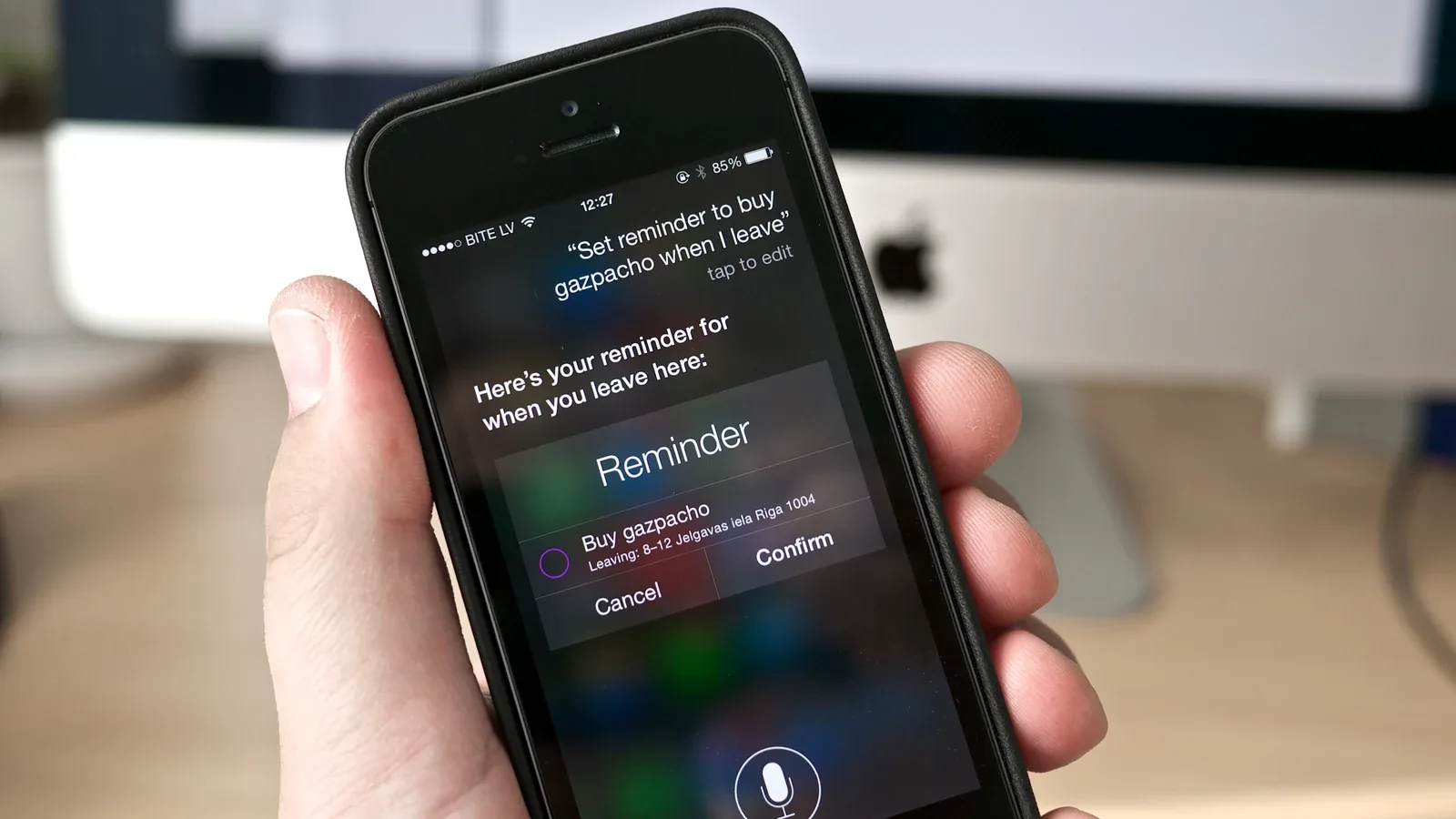
Illustrative archival photograph: Siri on an iPhone by Kārlis Dambrāns via Wikimedia Commons, licensed under CC BY 2.0. Cropped to 16:9. The photograph predates the Siri AI developer preview. Source image.

Related Coverage