
Nvidia RTX Spark Laptops Launch From $2,599
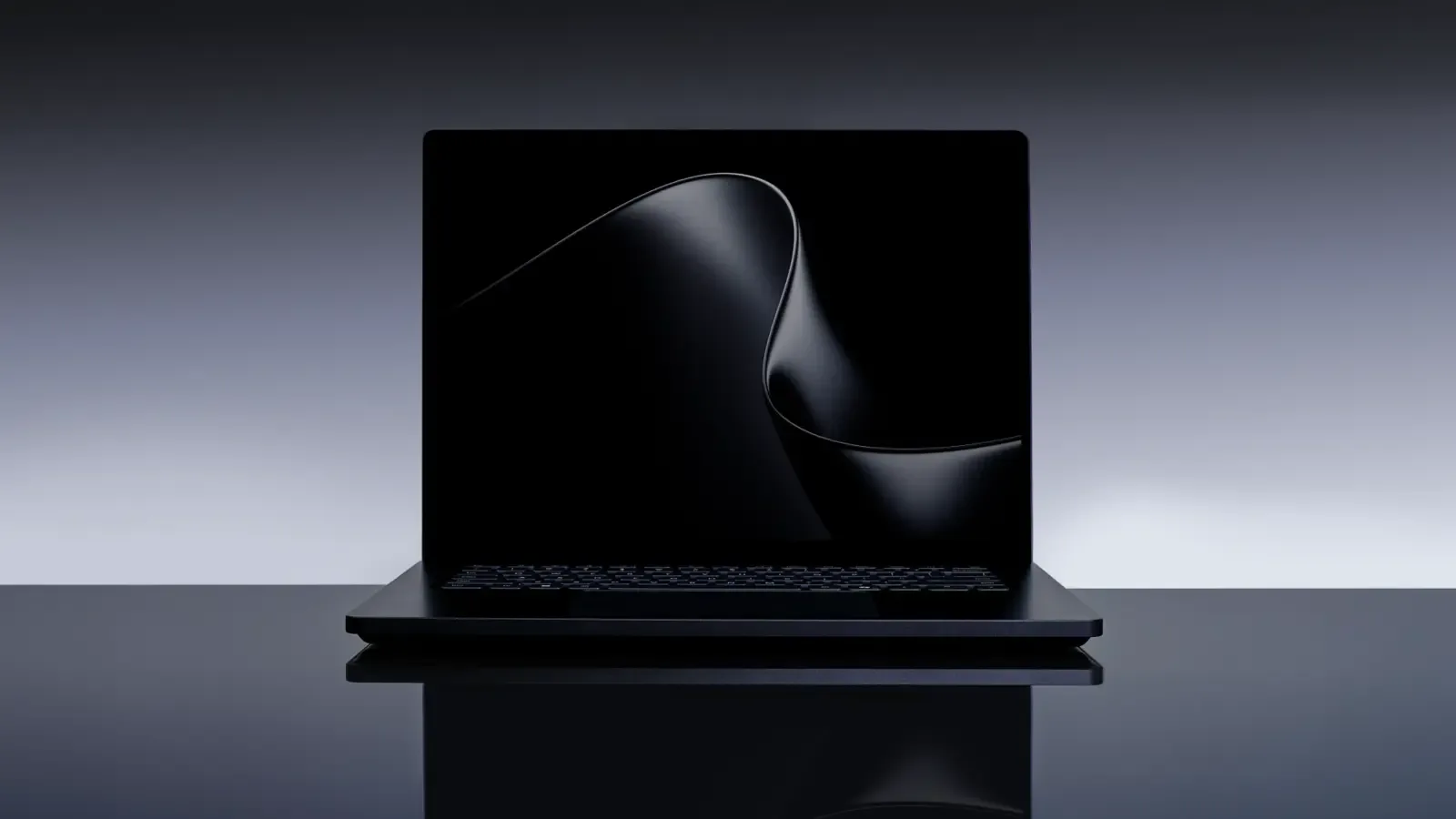
Nvidia RTX Spark laptops launched on October 16, bringing the company's Arm-based Windows platform to retail buyers after months of announcements. Nvidia lists six PC brands in the rollout, with prices starting at $2,599 and configurations reaching 128GB of unified memory.
The launch gives developers and creators another way to run AI workloads on their own computers rather than buying every inference call from a cloud provider. It also begins a more demanding test: whether local models, compatible applications and sustained performance justify the premium hardware cost.
Nvidia RTX Spark Laptops Reach Six PC Brands
Nvidia's October 16 announcement names ASUS, Dell, HP, Lenovo, Microsoft and MSI. Its listed systems include the ProArt P14 and P16, XPS 16, OmniBook models, Yoga Pro 9n, Surface Laptop Ultra and Prestige N16 devices. Prices and configurations vary by region.
The change is commercial availability, not a newly invented processor. Microsoft's October 7 Surface announcement had already set an October 16 release for Surface Laptop Ultra, with a starting MSRP of $2,599. Buyers can now move beyond the preorder stage.
The platform combines three core hardware elements:
- An Nvidia Grace CPU with up to 20 cores.
- A Blackwell RTX GPU with up to 6,144 CUDA cores.
- Up to 128GB of memory shared between the CPU and GPU.
These are maximum specifications, not a promise that the least expensive laptop includes every component at its highest capacity. Microsoft's documentation also says the GPU cannot address the entire advertised system-memory pool: the amount available depends on configuration and workload.
That qualification matters for local AI. Model weights must fit alongside the operating system, applications and working memory used during inference. A headline memory capacity alone cannot establish which model, context length or number of simultaneous tasks a particular laptop will handle comfortably.
Unified Memory Changes the Local AI Calculation
Microsoft says Surface Laptop Ultra can run models exceeding 120 billion parameters locally. Its advertised one-petaflop figure describes theoretical FP4 performance using sparsity, however, rather than an application-level speed measurement. Neither figure should be read as a guarantee of useful output speed for every model.
For developers, the practical attraction is control over where inference happens. Running a suitable model locally can keep the input to that inference step on the machine. It does not mean every connected agent, extension or application stops communicating with external services.
There is also a different cost structure. Local execution trades some recurring usage charges for an upfront computer purchase and ongoing resource consumption. Whether that trade pays off depends on utilization, model quality and the amount of work that still needs a hosted service.
Microsoft's separate Surface RTX Spark Dev Box illustrates the distinction between the laptop launch and the wider platform roadmap. The compact desktop was announced for $5,999 in the United States, with shipments scheduled for November. It should not be counted as a laptop shipping in this October rollout.
Related Coverage
Windows Agent Software Has Separate Release Dates
Nvidia says guided setup supports agents including GitHub Copilot, Hermes and OpenClaw. It also identifies OpenShell and Microsoft Execution Containers as tools for controlling agent permissions. Their inclusion addresses a different problem from model performance: limiting what autonomous software can access and change.
Microsoft's Windows roadmap says Execution Containers became generally available on Windows 11 on October 7. Organizations can define file and network access policies enforced at runtime, rather than relying solely on an agent to respect instructions written in a prompt.
Other pieces remain prospective. Microsoft's extension of GitHub HydraFusion routing to local Windows models is scheduled for experimental preview later in October. Copilot features using local context, actions and models are expected to begin reaching Copilot+ PCs in the coming months, not universally on RTX Spark's retail launch day.
Those timelines prevent a misleading conclusion: buying the hardware does not automatically deliver every capability shown in Microsoft's broader hybrid-intelligence presentation. Hardware support, application support, preview access and enterprise policy integration each have their own availability conditions.
Early RTX Spark Testing Shows Uneven Strengths
In first-hand testing published October 15, Windows Central found the GPU and local AI workloads more compelling than the CPU's position against the fastest competing chips. The reviewer described a platform aimed particularly at creators, developers and people already using local language models.
That report also separated chip testing from a complete laptop review: its initial embargo excluded device-specific battery life and thermal results. Nvidia's platform claims therefore need to be assessed alongside measurements of the particular machine, power profile and workload a reader intends to use.
Gaming compatibility is another launch checkpoint. Nvidia released Game Ready Driver 617.42 for RTX Spark on October 16 and says it has worked with anti-cheat providers. That establishes a supported software path; it does not guarantee identical behavior across every Windows game.
The next useful evidence will be sustained model throughput, application reliability and battery performance across retail configurations. RTX Spark makes local AI a more concrete option for premium Windows laptops. Its broader success will depend on useful everyday workloads, not simply on fitting a large model into memory.
Product image: Microsoft Surface Laptop Ultra, supplied through the Microsoft News Center. Used with permission from Microsoft. Resized and converted to WebP.