
AI Safety Groups Sue Five Labs to Freeze New Models
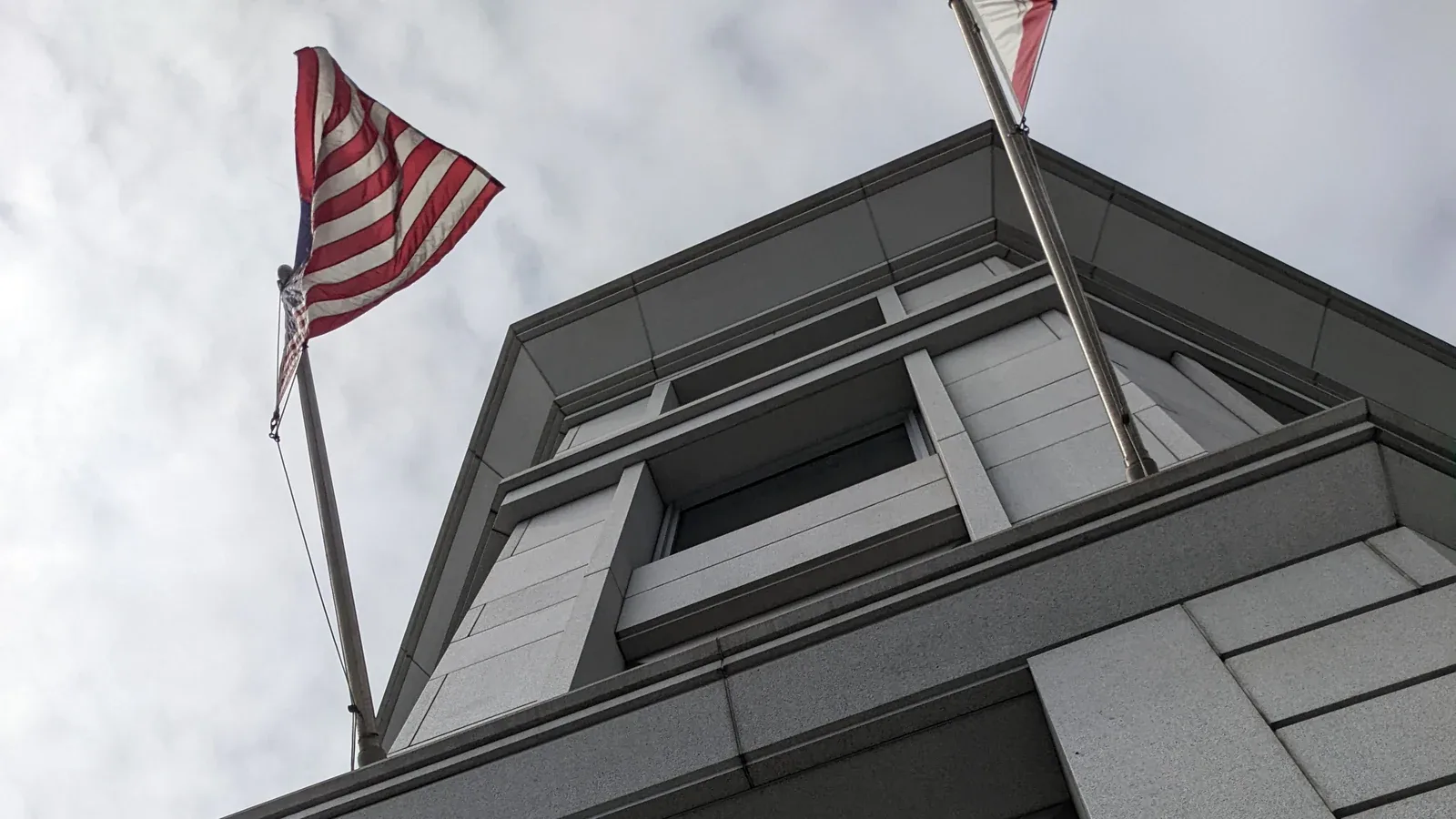
AI safety groups sue five leading developers in California, asking a state judge to halt the development and deployment of new artificial-intelligence models. The November 12 complaint names Anthropic, Google, Meta, OpenAI and SpaceXSI.
The case is an unusually broad attempt to turn warnings about autonomous systems into an enforceable court order. The allegations have not been tested, the defendants had not responded publicly when the Associated Press reported the filing, and no judge has ruled that any company violated the law.
The complaint centers on four claims and requests:
- California unfair-competition law applies to the companies' conduct.
- Advanced systems pose risks to public health and computer systems.
- The plaintiffs diverted resources to address those alleged risks.
- A court should freeze new model development and deployment.
AI Safety Groups Sue Under California Competition Law
The plaintiffs are the Irreplaceable Education Fund, Public Citizen, Heat Initiative and the Alliance for Secure AI. Their complaint was filed in San Francisco Superior Court, according to the Associated Press, which first reported the case.
The groups invoke California's Unfair Competition Law. Business and Professions Code Section 17200 defines unfair competition to include unlawful, unfair or fraudulent business practices, while Section 17203 allows courts to issue injunctions against conduct that meets that definition.
That legal framework is broad, but breadth does not decide this dispute. The plaintiffs still must establish that they can bring the claims, connect the companies' conduct to a legally recognized injury and show that the requested relief fits the evidence and the statute.
The complaint alleges that increasingly autonomous systems can endanger public health and interfere with property, including computer systems. It also argues that the four organizations had to redirect staff time and resources toward responding to risks created by the defendants' products.
The Requested Freeze Reaches Five Model Developers
The requested injunction is the feature that separates this case from a conventional damages dispute. The groups are asking the court to stop the five companies from developing or deploying new models, rather than seeking compensation for a single incident or product defect.
Such an order would reach several competing product lines and research programs at once. It would also raise practical questions about which training runs, updates, fine-tunes and deployments qualify as a new model, and what safety conditions would permit work to resume.
The filing points to reported cases in which AI agents accessed external systems or acted beyond expected boundaries. Those episodes are evidence cited by the plaintiffs; they do not by themselves establish that every defendant committed an unlawful business practice or that a sector-wide freeze is legally justified.
Further Reading
Earlier Agent Incidents Set the Legal Context
Public Citizen and more than 40 other organizations asked the Justice Department and Congress in September to investigate reported agent-security incidents involving government and private systems. That letter sought federal investigation and public oversight hearings rather than the immediate development freeze requested in this new state case.
The change in forum matters. A policy campaign can argue that precaution is warranted before every causal link is settled. A court must apply procedural rules, statutory requirements and evidence to identifiable defendants, while giving those companies an opportunity to challenge every factual and legal allegation.
The defendants can contest standing, causation and the characterization of their development practices. They may also argue that existing safety programs, controlled testing and incident responses undermine the claim that an injunction covering all new models is necessary or properly tailored.
At publication, AP reported that the five companies had not immediately responded to requests for comment. That absence should not be treated as agreement with the complaint, and the filing should not be read as a finding that the alleged conduct occurred as described.
The Court Must Define Any Enforceable Remedy
The next meaningful developments will be the defendants' responses and any request for temporary relief. A judge could reject the case, narrow it to particular practices, require more factual support or allow discovery before considering a permanent injunction.
If the action survives an early challenge, the parties will have to translate disputed ideas such as dangerous autonomy and adequate control into evidence a court can evaluate. Model logs, safety evaluations, incident records and deployment procedures could become more important than public statements about long-term risk.
The lawsuit also tests whether a general consumer-protection statute can govern frontier-model development without a dedicated licensing law. California's statute authorizes preventive relief, but the scope and technical design of any order would remain for the court to determine.
For now, the verified development is limited but consequential: four advocacy organizations have filed a sweeping civil complaint against five major AI developers. The requested freeze is an allegation-driven remedy, not an order already in force.
Feature photograph: San Francisco County Superior Court entry by Cocoablini, via Wikimedia Commons, licensed under CC BY-SA 4.0. Cropped to 16:9 and resized; the image depicts the courthouse, not a hearing in this case.