
Elvis Rights Holders and Eminem's Publisher Sue Suno
Elvis rights holders and Eminem's publisher sue Suno in separate federal cases alleging that the AI music company copied protected catalogs for training and generated infringing songs. Both complaints were filed November 6 in the Northern District of California.
The cases attack Suno at several layers: the acquisition of training data, the treatment of copyright information, generated outputs and, in the Presley case, synthetic use of a famous voice and likeness. The allegations have not been proven, and the court has not ruled on liability.
The two complaints identify four central disputes:
- Whether Suno copied protected music for model training
- Whether access controls and copyright data were removed
- Whether generated songs infringe protected compositions
- Whether Presley-style outputs violate Tennessee's ELVIS Act
Related Coverage
Elvis Rights Holders and Eminem's Publisher Sue Suno
The Presley case, number 3:26-cv-13398, was brought by Elvis Presley Enterprises, ABG EPE IP, music publishers, trusts and individuals who say they control Presley's identity rights or copyrights. Its docket lists a complaint and six groups of supporting exhibits.
Eight Mile Style and Martin Affiliated filed the second case, number 3:26-cv-13399. Those companies say they own or administer 269 Eminem compositions. The complaint includes claims for direct copyright infringement, circumvention of protection measures and removal or alteration of copyright management information.
Both filings allege that Suno obtained music from online services without authorization, used it to train its generator and produced outputs that reproduce protected material. These are plaintiffs' allegations. A complaint begins a case; it does not establish that the defendant committed the acts described.
The same legal team filed both actions, and both demand jury trials. The cases could be coordinated because they target related conduct, but the public dockets do not yet show a consolidation order or a judicial decision on the merits.
The Presley Case Adds Voice and Likeness Claims
The Presley complaint says the plaintiffs control rights connected to 859 works. It alleges that Suno produced synthetic songs using Presley's voice and likeness, including tracks prompted with his name or with lyrics associated with him, while also reproducing songs controlled by the plaintiffs.
Its first claim invokes Tennessee's Ensuring Likeness, Voice and Image Security Act, known as the ELVIS Act. The 2024 law expanded the state's protection of personal rights to include voice and was designed to address unauthorized synthetic performances as generative music tools became more capable.
The complaint also asserts Tennessee publicity rights, federal copyright infringement and two Digital Millennium Copyright Act claims. It alleges that Suno circumvented technical access controls to obtain source material and removed copyright-management information during data preparation.
The plaintiffs calculate a maximum statutory copyright request of $128.85 million by multiplying 859 works by the $150,000 ceiling for willful infringement. That is a requested statutory maximum, not an award. They also seek other damages, an accounting, an injunction and destruction or impoundment of unauthorized copies.
The Eminem Complaint Names 269 Compositions
The 36-page Eight Mile Style complaint identifies 269 compositions, including prominent Eminem works. It alleges that Suno copied those works for training and can generate outputs using protected lyrics and musical elements.
Eight Mile Style asks for up to $40.35 million in statutory copyright damages, again using the maximum $150,000 per work. It separately lists potential statutory amounts for alleged circumvention and removal of copyright-management information, while also requesting an injunction, an accounting and the destruction of unauthorized copies.
The filing alleges that Suno used scraping and stream-ripping tools to bypass logins, subscription barriers, anti-bot systems and YouTube's technical controls. Establishing those claims will require evidence about the actual training pipeline, the data suppliers involved and whether each cited measure qualifies for protection under the DMCA.
The output allegations create a separate test from training. The plaintiffs must connect particular generated songs to protected expression and show more than a general resemblance to an artist's style. Suno can dispute copying, ownership, substantial similarity, damages and the legal characterization of its data collection.
Suno's Response and the AI Music Licensing Divide
Suno told Reuters that it helps people create original music, prohibits unauthorized use of artists' work and does not trade on a person's name or likeness. The company has previously argued in other litigation that model training can qualify as fair use.
A fair-use defense would address some copyright allegations, but it would not automatically resolve the Presley identity claims or the complaints' separate accusations about access controls and copyright information. Each cause of action has different elements, evidence and possible remedies.
The lawsuits arrive while Suno is also building licensed relationships. Warner Music settled its case, and Suno's v6 program announced catalog arrangements involving Warner, BMG and Believe. Universal Music Group and Sony litigation remains pending, according to Reuters.
That split makes the new cases consequential for the AI music market. Licensing agreements can define approved data, payments and artist participation, while litigation tests what developers may do without permission. The next meaningful evidence will come from Suno's formal responses, discovery disputes and rulings on the individual statutory claims.
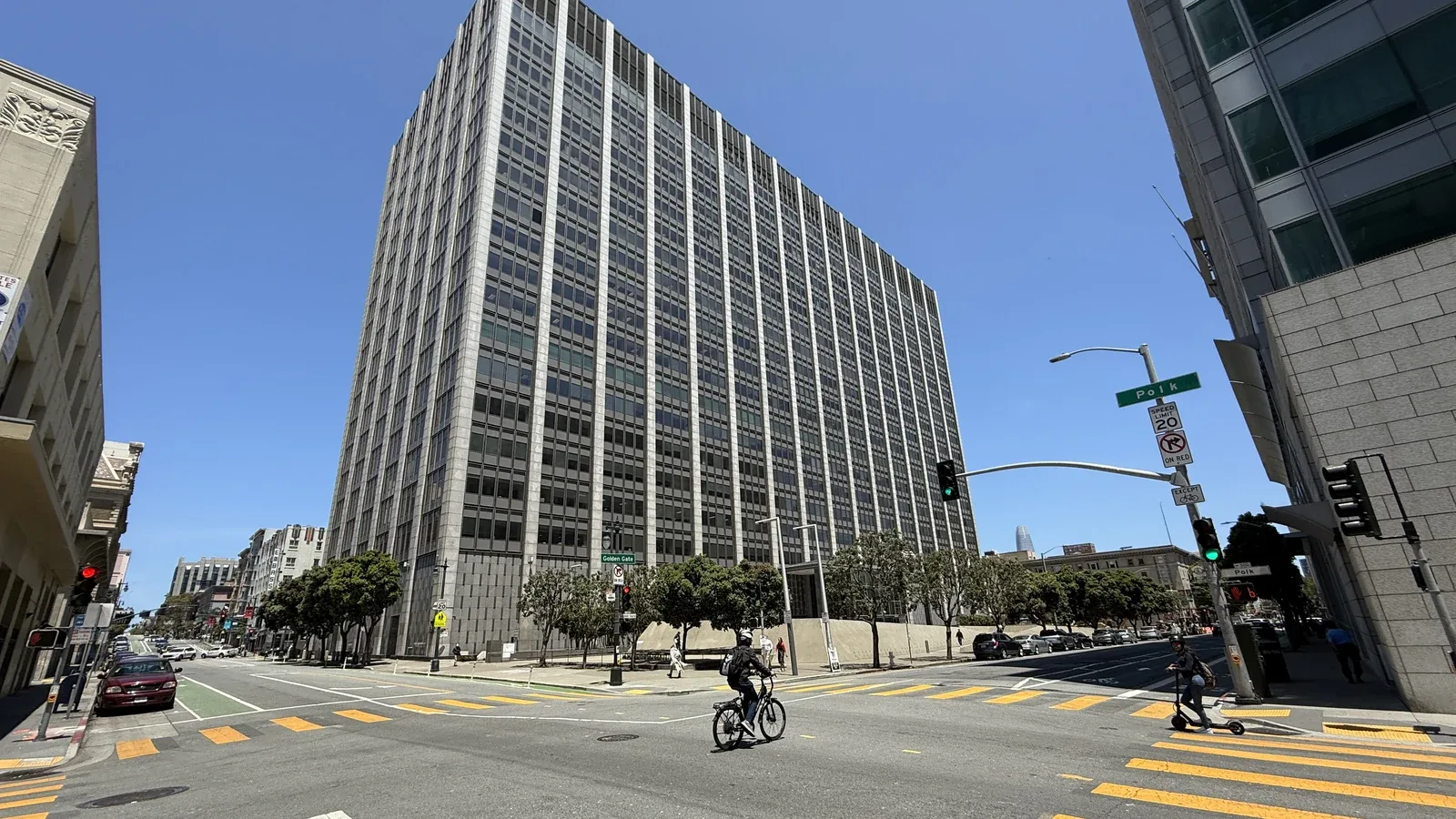
Feature image: the Phillip Burton Federal Building and United States Courthouse in San Francisco, where the Northern District of California sits. Photograph by Marincyclist via Wikimedia Commons, cropped and resized and distributed under the same CC BY-SA 4.0 license.