
United Nations Urges AI Companies to Reveal Data Center Energy and Water Consumption
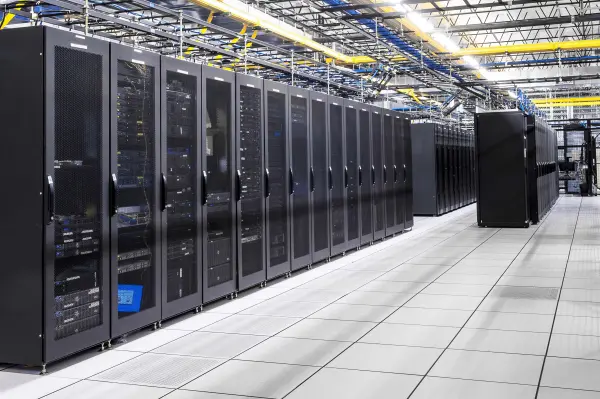
The rapid growth of artificial intelligence has transformed data centers into some of the most important pieces of digital infrastructure in the world. Every conversation with an AI chatbot, every generated image, every software assistant, and every AI-powered search relies on thousands of servers operating continuously inside massive computing facilities. As these systems continue expanding, the environmental cost of running them has become a growing concern for governments, researchers, and environmental organizations.
The United Nations has now called on major artificial intelligence companies to publicly disclose the amount of electricity and water their AI data centers consume. The proposal forms part of a new transparency initiative designed to improve public understanding of the environmental impact created by the AI industry as investment in computing infrastructure reaches record levels.
According to the UN, the scale of AI infrastructure is increasing far more rapidly than public reporting. Technology companies are investing hundreds of billions of dollars in new AI data centers across North America, Europe, Asia, and the Middle East. These facilities require enormous quantities of electricity to power advanced processors and equally large amounts of water or alternative cooling systems to keep hardware operating safely.
While many technology companies publish sustainability reports, critics argue that existing disclosures often fail to separate traditional cloud computing from artificial intelligence workloads. As a result, investors, governments, and researchers have only limited visibility into the true environmental cost of training and operating today's frontier AI models.
The United Nations believes greater transparency would allow governments to plan future electricity generation more effectively while encouraging companies to improve efficiency. Better reporting could also help businesses compare different AI providers based not only on model performance but also on environmental responsibility.
One reason this issue has become increasingly important is the extraordinary pace of AI adoption. Modern large language models require significantly more computing power than previous generations of software. Training a single frontier model can involve tens of thousands of AI processors operating together for weeks or months. Once deployed, those same models continue processing millions of user requests every day, creating a constant demand for computing resources.
Electricity demand from AI data centers has become so significant that several countries are already expanding power generation specifically to support future AI growth. Utilities, renewable energy developers, and infrastructure investors are all responding to forecasts showing AI will become one of the fastest-growing sources of electricity consumption during the next decade.
Water usage presents another challenge. Many large data centers rely on sophisticated cooling systems that consume substantial quantities of water to maintain safe operating temperatures. In regions already experiencing water shortages, local communities have raised concerns about how rapidly expanding AI infrastructure could affect long-term water availability.
The UN initiative does not call for slowing AI development. Instead, it encourages companies to provide clearer reporting while accelerating investment in renewable energy, efficient cooling technologies, and sustainable infrastructure. Greater transparency could also encourage innovation as companies compete to reduce the environmental footprint of their AI operations.
Several major technology companies have already announced plans to power future data centers with nuclear energy, solar farms, wind projects, and advanced battery storage. Others are experimenting with liquid cooling systems, recycled water, and more energy-efficient processors designed specifically for AI workloads.
Industry analysts believe environmental performance may become an increasingly important competitive factor. Enterprise customers, government agencies, and international organizations are paying closer attention to sustainability when selecting technology partners. Companies capable of delivering advanced AI services while minimizing environmental impact could gain an advantage in future procurement decisions.
The United Nations' proposal arrives at a pivotal moment for the artificial intelligence industry. AI infrastructure continues expanding at an unprecedented pace, while public interest in sustainability and corporate transparency continues to grow. Whether companies voluntarily increase disclosure or future regulations require more detailed reporting, the environmental footprint of artificial intelligence is likely to become one of the defining technology discussions over the coming years.