
Apple CEO Tim Cook Holds Critical Talks With EU Over Siri AI Launch and Apple Intelligence Rollout
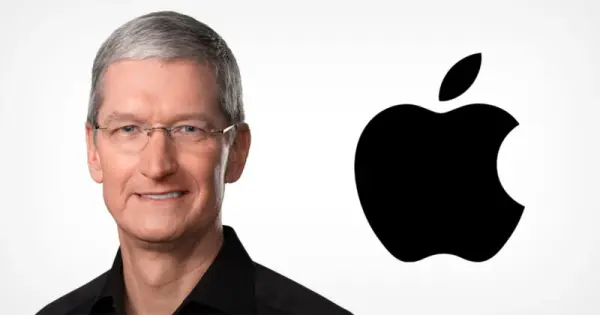
Apple CEO Tim Cook has held what European officials described as a constructive meeting with the European Union's technology leadership as Apple continues working to launch its long-awaited Siri AI and Apple Intelligence features across Europe.
The discussions come after months of delays caused by regulatory concerns surrounding privacy, interoperability, and compliance with the EU's Digital Markets Act. For Apple, the outcome of these talks could determine when millions of European iPhone users finally gain access to the company's newest artificial intelligence features.
Apple originally planned to introduce Apple Intelligence and its redesigned Siri AI globally, but the European rollout became more complicated after regulators required large technology companies to make their platforms more interoperable with competing services. Apple has argued that some of these requirements could affect the security and privacy protections that distinguish its ecosystem.
European regulators, however, maintain that all major technology companies must comply with the same digital competition rules before releasing new services across the region.
The meeting signals that both sides are attempting to reach common ground.
Although neither Apple nor the European Commission disclosed detailed outcomes from the discussion, officials confirmed that conversations will continue. Industry observers believe Apple is seeking regulatory clarity that would allow Siri AI to launch without compromising the company's privacy-focused architecture while satisfying European legal requirements.
Apple Intelligence represents the company's biggest software initiative in years. The platform introduces AI-powered writing assistance, intelligent notifications, document summarization, image generation, improved search, and a completely redesigned Siri capable of understanding natural conversations and handling more complex requests.
Apple believes these features will transform how users interact with their iPhones, iPads, and Macs while maintaining on-device privacy wherever possible.
Unlike several competitors that rely heavily on cloud computing, Apple has emphasized a hybrid AI approach. Many requests will be processed directly on users' devices using Apple Silicon, while more advanced requests will be handled through Apple's Private Cloud Compute infrastructure.
The company says this design minimizes unnecessary data collection and provides stronger privacy protections than traditional cloud-based AI services. This privacy-first strategy has become one of Apple's biggest selling points as competition in artificial intelligence continues to intensify.
The timing of these negotiations is particularly important because Apple faces increasing pressure from competitors. Google continues expanding Gemini across Android devices, Microsoft is integrating Copilot into Windows and Microsoft 365, OpenAI is rapidly growing ChatGPT, and Samsung has aggressively promoted Galaxy AI across its smartphone lineup. Delays in Europe could temporarily limit Apple's ability to compete in one of the world's largest smartphone markets.
Technology analysts believe the discussions between Apple and European regulators could influence how future AI products are introduced across the continent. If an agreement is reached, it may establish a regulatory framework that other AI companies will also need to follow.
For Apple users, the outcome could determine how quickly Siri AI, Apple Intelligence, and future AI-powered services become available throughout Europe.
As artificial intelligence becomes a defining feature of modern smartphones, Apple's negotiations with the European Union demonstrate that the future of AI will depend not only on technological innovation but also on how companies balance privacy, competition, and regulatory compliance.
The coming months are expected to be critical for Apple's AI strategy as it works to bring its next generation of intelligent features to millions of users worldwide.