
Google Launches Search Profiles, Giving Publishers and Creators a New Way to Build Their Presence
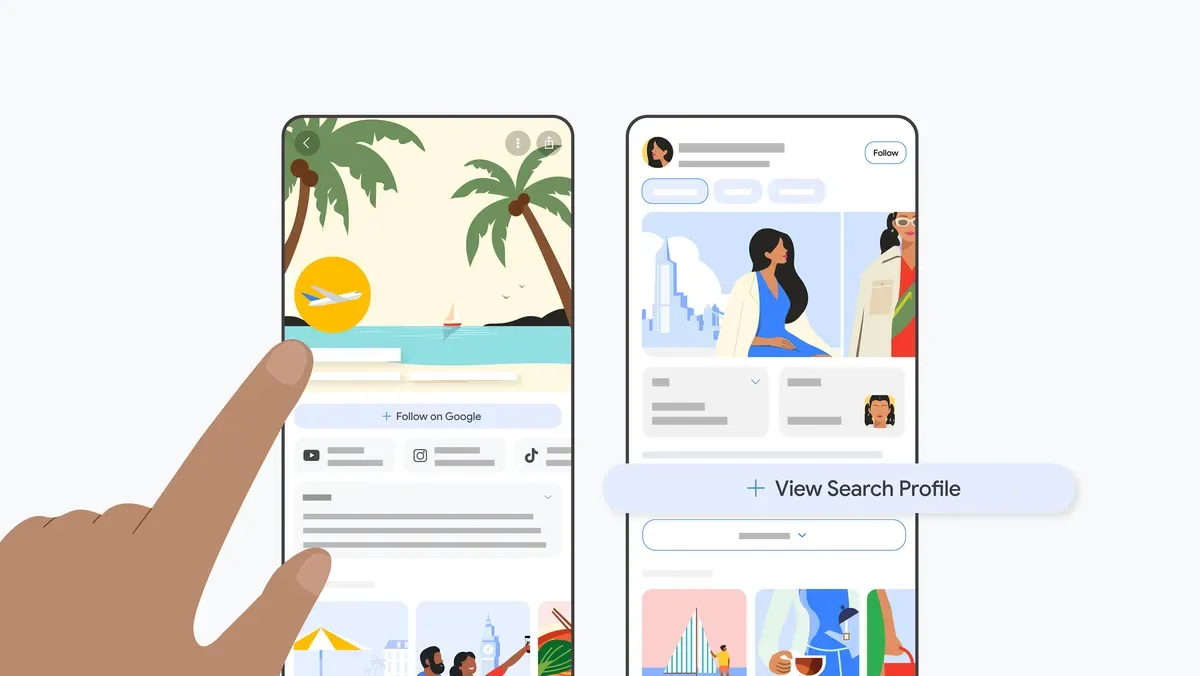
Google is expanding its efforts to strengthen relationships between audiences and trusted content creators with the launch of Search Profiles, a new feature that gives publishers and creators a dedicated identity across Google Search.
The announcement marks another major step in Google's broader strategy to improve content discovery while giving publishers greater control over how they appear in Search.
Rather than relying solely on search results, creators and media organizations can now establish a centralized profile that highlights their articles, videos, social accounts and other content across the web.
For publishers fighting declining traffic and increasing competition from AI-generated search experiences, the move could offer a valuable new channel for audience growth.
Google Wants Search To Become More Source-Centric
For years, Google's search engine has focused primarily on delivering information.
Now the company appears to be putting greater emphasis on the people and organizations behind that information.
Search Profiles are designed to act as digital identity hubs, allowing creators and publishers to showcase their work in a dedicated space within Google's ecosystem.
Instead of users discovering content one article at a time, Google wants people to discover and follow the sources they trust.
This shift reflects a growing challenge facing the internet: trust.
As AI-generated content floods the web and misinformation becomes harder to identify, Google is increasingly highlighting credible creators, journalists and publishers who consistently produce reliable content.
A Search Profile can include:
- Articles and blog posts
- Videos from supported platforms
- Social media accounts
- Official websites
- Creator biographies
- Profile photos and branding elements
The goal is to give users a complete picture of who is behind the content they are consuming.
For publishers, this means readers can move seamlessly between a news website, YouTube channel, social media presence and future content updates from a single profile page.
A Major Boost For Google Discover
One of the most important parts of the announcement is Google's integration of Search Profiles with Discover.
Users who follow a creator or publisher through a Search Profile become more likely to see content from that source inside Google Discover.
Discover has become one of the internet's largest traffic drivers for publishers, often generating millions of monthly visits for major media organizations.
By linking Search Profiles with Discover, Google is effectively creating a subscription-like relationship between audiences and content creators without requiring email newsletters or third-party platforms.
For independent creators and smaller publishers, this could provide a new path to building loyal audiences directly through Google's ecosystem.
Search Profiles Could Change How Publishers Build Authority
The launch also signals Google's growing emphasis on author and publisher credibility.
For years, SEO professionals have discussed the importance of expertise, authority and trustworthiness in search rankings.
Search Profiles give Google another way to identify legitimate creators and connect their content across multiple platforms.
Publishers with strong brands may benefit from increased visibility because users can quickly verify:
- Who created the content
- Where else they publish
- Their social presence
- Their professional background
- Their latest updates
This creates a more transparent ecosystem where audiences can evaluate sources more easily.

According to Google, claiming a Search Profile may also trigger the creation of a Knowledge Panel for eligible creators and publishers.
Those who already have Knowledge Panels will see enhancements such as:
- Updated profile images
- Latest published content
- Direct profile links
- Expanded creator information
This could make Knowledge Panels significantly more useful for media brands, journalists, analysts and public figures.
Who Can Get A Search Profile?
Google says Search Profiles are initially available to publishers and creators who have a sizeable audience on at least one major social media or video platform.
Eligible users can customize their profile with:
- Avatar images
- Biography information
- Official websites
- Social media accounts
- Video channels
- Featured content
The company has not disclosed exact follower thresholds, suggesting eligibility will be determined individually.
At launch, the feature is limited to the United States.
However, Google has confirmed plans to expand Search Profiles internationally in the future.
Why This Matters For The Future Of Search
The introduction of Search Profiles arrives during a period of significant change for the search industry.
AI-generated answers are reducing clicks to websites, publishers are demanding greater visibility, and audiences increasingly seek trusted voices rather than anonymous information.
Search Profiles appear to be Google's answer to all three challenges.
By making creators more visible, strengthening publisher identities and encouraging direct audience relationships, Google is attempting to create a healthier ecosystem where quality content can still be discovered despite the rise of AI-powered search experiences.
For publishers, journalists, bloggers and creators, Search Profiles could become one of the most important visibility tools Google has introduced in years.
Those who establish a strong profile early may gain a significant advantage as Google expands the feature globally.