
Nintendo Switch 2 Launch Sparks Biggest Console Upgrade Cycle in Years
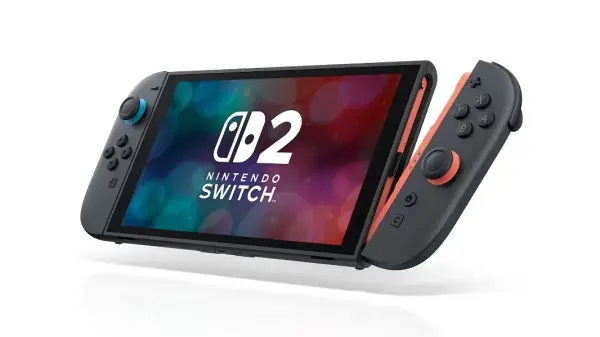
Nintendo's Switch 2 launch is rapidly becoming one of the most important technology product releases of 2026, not only for Nintendo but for the wider gaming industry.
After years of speculation, leaks, and anticipation, the new console arrives at a time when consumers have been holding onto older gaming hardware longer than ever.
Rising device prices, economic uncertainty, and slower hardware innovation across the technology sector have extended upgrade cycles for everything from smartphones to laptops. The gaming market has been no exception.
That dynamic appears to be changing.
Retailers across North America, Europe, and parts of Asia reported strong demand during the console's launch window, with pre-orders selling out in several regions before release day.
Industry analysts now expect the Switch 2 to become one of the fastest-selling gaming devices in Nintendo's history.
The significance extends beyond raw sales figures.
For Nintendo, the challenge was never simply creating a more powerful console.
The original Switch transformed the gaming industry by proving that players wanted flexibility more than cutting-edge specifications.
Its ability to function both as a handheld device and a traditional home console helped it sell more than 150 million units globally, making it one of the most successful gaming systems ever released.
The successor had to improve performance without abandoning the formula that made the original so successful.
Early reviews suggest Nintendo has largely achieved that balance.
The upgraded hardware delivers improved graphics capabilities, faster loading times, enhanced battery efficiency, and support for more demanding modern games.
Developers now have greater freedom to bring larger and more visually ambitious titles to Nintendo's ecosystem.
The improvements are particularly important as game development continues to become more technically demanding.
Modern blockbuster games require significantly more processing power, memory, and storage than titles released just five years ago.
Developers increasingly face challenges when attempting to optimize their games for aging hardware platforms.
The Switch 2 provides a much-needed hardware refresh that allows publishers to target Nintendo users without making major compromises.
The launch could also have wider implications for the gaming industry's financial outlook.
Over the past two years, many gaming companies have experienced slower growth as consumers reduced spending on entertainment products following the post-pandemic boom.
Hardware launches historically stimulate software sales, subscription services, accessories, and digital purchases, creating ripple effects throughout the industry.
Investors are watching closely to see whether Nintendo's momentum can help reignite broader consumer spending within gaming.
Another factor driving excitement is Nintendo's exclusive content strategy.
Unlike many technology companies that compete primarily through hardware specifications, Nintendo continues to rely on its intellectual property portfolio as a major competitive advantage.
Franchises such as Mario, Zelda, Pokémon, and Animal Crossing remain among the most recognizable entertainment brands in the world.
Exclusive titles tied to these franchises are expected to play a critical role in persuading existing Switch owners to upgrade.
The launch also arrives during a period of growing competition in portable gaming.
Devices such as handheld gaming PCs and cloud gaming services have expanded consumer choice, creating new alternatives that did not exist when the original Switch launched nearly a decade ago.
Despite those challenges, Nintendo enters the market with a distinct advantage: simplicity.
While competing platforms often target enthusiast users, Nintendo continues to focus on accessibility, family-friendly experiences, and ease of use.
That approach has historically allowed the company to reach audiences beyond traditional gamers, including children, parents, and casual players.
Industry analysts believe that strategy could once again prove decisive.
If demand remains strong throughout the holiday season, the Switch 2 may become one of the defining consumer technology products of 2026.
More importantly, its success would demonstrate that dedicated gaming hardware remains highly relevant despite growing competition from smartphones, cloud platforms, and AI-powered entertainment services.
For Nintendo, the launch represents more than a new console release.
It is a test of whether one of the most successful gaming products ever created can successfully transition into a new generation while maintaining the broad appeal that made it a global phenomenon.
