
ChatGPT Is Becoming a Shopping Assistant and Amazon Should Pay Attention
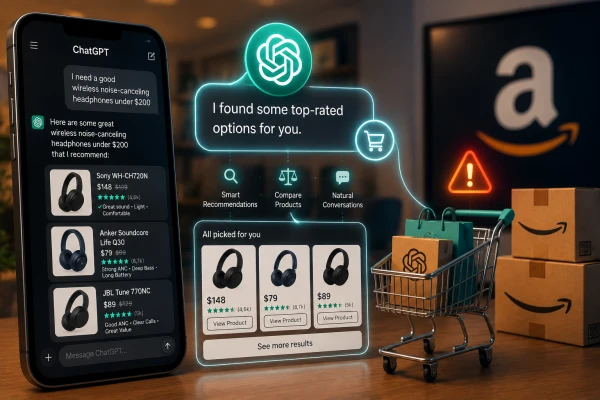
ChatGPT is rapidly evolving from a conversational chatbot into something much more practical: a personal shopping assistant. OpenAI has begun expanding shopping-related features that allow ChatGPT to compare products, explain specifications, summarize reviews and help users decide what to buy. The shift may seem subtle, but it represents one of the biggest changes in how people could shop online over the next few years.
For more than two decades, online shopping has largely depended on search boxes. Consumers visit Amazon, type a product name and scroll through hundreds of listings. OpenAI is betting that many people would prefer a conversation instead. Rather than searching for "best wireless earbuds under $100," users can ask ChatGPT directly, describe their needs and receive a personalized recommendation.
This conversational approach is attracting attention because it changes the starting point of online shopping. If consumers begin their product research inside ChatGPT instead of on Amazon or Google, AI assistants could become an important gateway to e-commerce traffic. Industry analysts increasingly view conversational commerce as a major battleground for the next generation of internet services.
ChatGPT's shopping features are designed to reduce the time people spend comparing products manually. The AI can explain technical differences between devices, identify important features, summarize customer feedback and narrow options based on budget, brand preference or intended use. For many shoppers, that feels more like asking an expert friend than using a traditional search engine.
The development also creates new pressure for established e-commerce platforms. Amazon remains the dominant online retailer, but its experience is still heavily centered on search results and sponsored listings. AI assistants could make shopping feel more personalized and less overwhelming by filtering products before users ever reach a retailer's website.
OpenAI is not alone in this race. Google is integrating AI into Search and Shopping, Microsoft is expanding shopping features through Copilot and other technology companies are exploring conversational commerce. The competition suggests that AI-assisted shopping is moving from experimental technology toward mainstream consumer behavior.
For businesses and online sellers, the change could be significant. Product descriptions, specifications and customer reviews may become even more important because AI systems rely on structured information to generate recommendations.
Brands that provide clear, detailed and trustworthy product data may be more likely to appear in AI-generated shopping suggestions.
Consumers may benefit from faster decision-making, but there are also important questions about transparency.
Users will increasingly want to know how AI assistants choose products, whether recommendations are sponsored and what sources are being used to generate advice. As conversational shopping grows, trust could become just as important as convenience.
The broader implication is that AI is gradually moving beyond answering questions and into influencing purchasing decisions. Search engines changed retail by helping people find products online. AI assistants may change retail again by helping people decide which products to buy before they ever visit an online store.
Whether ChatGPT ultimately becomes a major shopping platform remains uncertain, but the direction is clear. OpenAI is positioning ChatGPT as an assistant that can help users not only learn and work, but also spend money more intelligently.
If consumers embrace conversational shopping at scale, the companies that dominate e-commerce today may soon find themselves competing with AI assistants for one of the internet's most valuable activities: product discovery.
