
Apple’s AI Comeback Hinges on Siri: Can a Smarter Assistant Restore Apple’s Position in the AI Race?
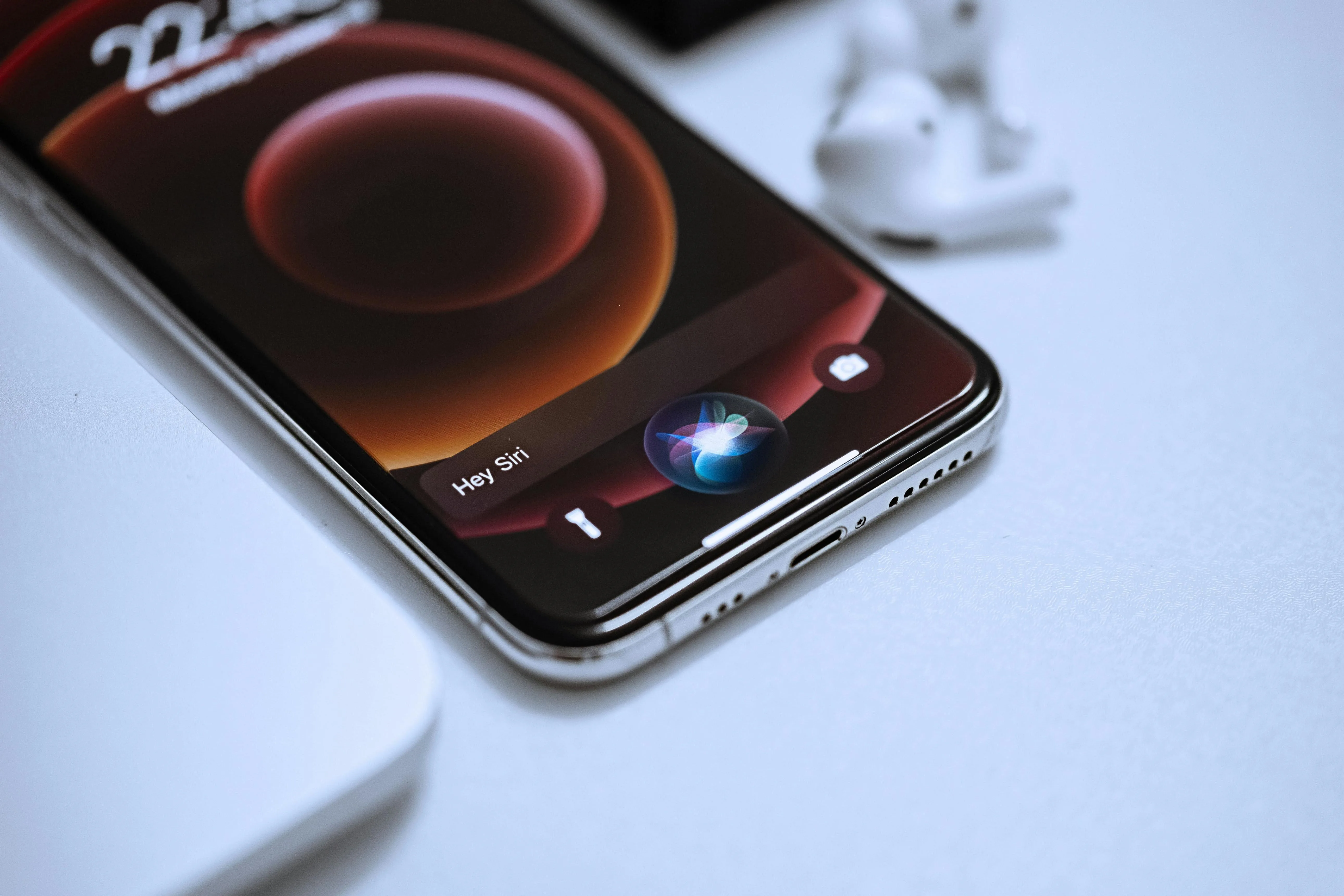
For years, Siri has been one of the most recognizable voice assistants in the world. It arrived before many of today's AI products even existed and helped introduce millions of people to voice-powered technology.
Yet in the era of generative AI, Siri has increasingly become a symbol of how far Apple has fallen behind.
While users now rely on AI systems capable of writing reports, generating code, analyzing documents, and engaging in natural conversations, Siri remains largely limited to basic tasks such as setting alarms, sending messages, checking weather forecasts, or controlling smart home devices.
That gap has become impossible to ignore.
As Apple prepares for its next major developer conference, industry attention is focused on what could be the company's most important AI announcement yet: a complete transformation of Siri from a simple voice assistant into a modern conversational AI platform.
The move represents far more than a software update. It is Apple's attempt to reclaim relevance in one of the most important technology battles of the decade.
Why Apple Is Under Pressure
The AI market has changed dramatically over the last three years.
Companies such as OpenAI, Google, Anthropic, and Microsoft have transformed public expectations of what digital assistants can do.
Users no longer want assistants that merely execute commands. They want systems that understand context, reason through complex problems, summarize information, generate content, and proactively help them complete tasks.
ChatGPT changed consumer expectations almost overnight.
Google responded by integrating Gemini across Search, Android, Workspace, and its growing ecosystem of AI products.
Microsoft embedded AI deeply into Windows and Office through Copilot. Meanwhile, Apple found itself defending a voice assistant that many users viewed as outdated.
The result has been increasing pressure from investors, developers, and customers who expect Apple to compete aggressively in the AI era.
Apple's Biggest Advantage Is Not AI
Ironically, Apple's strongest weapon may not be its AI technology.
It is its ecosystem.
Unlike most competitors, Apple controls nearly every layer of the consumer experience:
- Hardware
- Operating systems
- App distribution
- Device security
- Cloud services
- Payment infrastructure
More than two billion active Apple devices are currently in use worldwide. If Apple successfully deploys an advanced AI assistant across iPhones, iPads, Macs, Apple Watches, and Vision devices, it could instantly reach a scale that many competitors can only dream of.
This distribution advantage is enormous.
Consumers generally do not choose technology based solely on which model scores highest on AI benchmarks. They choose products that work seamlessly within their daily lives.
If Apple can make AI feel deeply integrated rather than added on, it could gain a significant competitive advantage.
The Real Problem With Siri
Apple's challenge isn't simply building a smarter chatbot.
The company must solve a deeper problem: trust.
Many users stopped relying on Siri years ago because it frequently misunderstood requests, lacked context awareness, and struggled with even moderately complex conversations.
That reputation has become a burden.
Unlike new AI products that entered the market with fresh expectations, Siri must overcome years of user frustration.
Apple's upcoming redesign is expected to focus on several critical improvements:
- More natural conversations
- Better memory of previous interactions
- Improved understanding of context
- Deeper integration with apps
- Multi-step task execution
- Stronger reasoning capabilities
Success will depend not only on intelligence but also on reliability.
Consumers will quickly abandon a smarter Siri if it remains inconsistent.
Privacy Could Become Apple's Secret Weapon
One area where Apple believes it can differentiate itself is privacy.
Many consumers remain uncomfortable with how AI companies collect, process, and store personal information.
Apple has spent years building its brand around privacy and security.
The company now appears determined to apply that philosophy to artificial intelligence.
Rather than sending every request to cloud servers, Apple has invested heavily in on-device AI processing.
This approach allows certain AI functions to run directly on user devices, reducing the amount of personal information transmitted externally.
For businesses, governments, and privacy-conscious consumers, this could become a major selling point.
As AI becomes more integrated into personal lives, trust may prove just as important as raw model performance.
Beyond Chatbots: Apple's Long-Term Vision
The future Apple is chasing goes far beyond creating a ChatGPT competitor.
The company appears to be working toward an AI layer that sits across its entire ecosystem.
Imagine an assistant that can:
- Understand your calendar, messages, emails, and documents
- Plan travel automatically
- Manage schedules intelligently
- Organize files
- Summarize meetings
- Handle repetitive digital tasks
- Coordinate actions across multiple devices
This vision aligns with the broader industry trend toward AI agents—systems capable of performing actions rather than simply answering questions.
For Apple, Siri could eventually become the gateway through which users interact with the entire Apple ecosystem.
That opportunity is massive.
The Stakes Could Not Be Higher
Apple rarely enters markets first.
Historically, the company has often waited until technologies matured before launching polished alternatives.
The iPhone was not the first smartphone.
The iPad was not the first tablet.
The Apple Watch was not the first smartwatch.
In each case, Apple succeeded by refining existing concepts into products consumers actually wanted to use.
The company is now attempting the same strategy with generative AI.
The difference is that this time competitors already have a substantial head start.
OpenAI, Google, Microsoft, and Anthropic are moving rapidly, releasing new models and capabilities every few months. The AI race is evolving faster than previous technology transitions.
Apple can no longer afford years of delay.
Final Thoughts
The upcoming Siri overhaul may be one of the most important product launches in Apple's recent history.
If successful, it could transform Siri from a punchline into a genuine AI competitor and position Apple as a major force in consumer artificial intelligence.
Combined with Apple's hardware ecosystem, privacy reputation, and global reach, a truly intelligent Siri could become one of the most widely used AI systems in the world.
However, expectations are now higher than ever.
Users are no longer impressed by simple voice commands.
They expect assistants that understand, reason, create, and act on their behalf.
Apple's AI future depends on proving that Siri can finally do exactly that.