
Google Faces New AI Lawsuit From Major Publishers Over Gemini Training Data
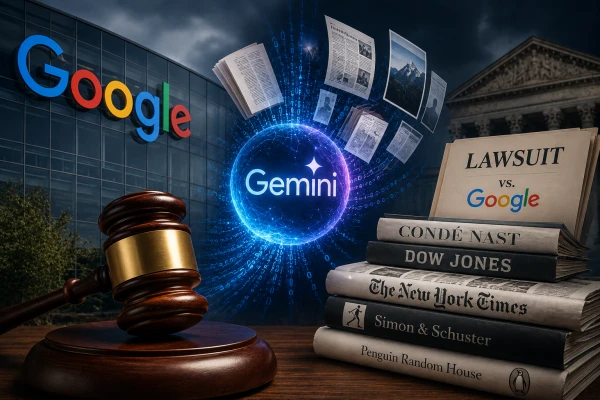
Google is once again at the center of the rapidly growing legal battle surrounding artificial intelligence after a coalition of major publishers filed a lawsuit accusing the company of using copyrighted content to train its Gemini AI models without obtaining proper authorization.
The lawsuit adds to a growing list of legal disputes involving AI developers and content creators, highlighting one of the most controversial questions facing the technology industry today: whether publicly available online content can legally be used to train powerful artificial intelligence systems. As Gemini continues to evolve into one of Google's flagship AI platforms, the outcome of this case could influence how AI models are developed, trained and commercialized across the global technology industry.
According to the complaint, the publishers argue that their articles, reports and other copyrighted materials were allegedly incorporated into AI training datasets without licensing agreements or financial compensation. They claim that AI-generated responses may reproduce or summarize information derived from their work, potentially reducing website traffic and subscription revenue while allowing AI companies to benefit commercially from content they did not create.
Google has consistently maintained that its AI systems are developed responsibly and that the use of publicly available information falls within existing legal frameworks, but the latest lawsuit is expected to test those arguments in court.
The dispute arrives at a time when competition in artificial intelligence has become more intense than ever. Google, OpenAI, Anthropic, Meta, Microsoft and several other companies are investing billions of dollars into increasingly capable AI models. These systems require enormous quantities of text, images and other data during training to develop advanced reasoning, coding and conversational abilities.
As AI capabilities improve, publishers, authors, artists and media organizations have become increasingly concerned about how their intellectual property is being collected and used by AI developers. Similar legal actions have already been brought against multiple AI companies, making copyright one of the defining issues shaping the future of generative artificial intelligence.
Legal experts believe this latest case could establish important precedents regarding fair use, licensing requirements and the responsibilities of AI developers. If courts determine that copyrighted material cannot be used without permission, AI companies may need to negotiate licensing agreements with publishers on a much larger scale, potentially increasing development costs while creating new revenue opportunities for content creators.
Conversely, if current AI training practices are upheld, technology companies could continue expanding their models using broad datasets collected from publicly accessible sources. The decision therefore has implications extending far beyond Google and could influence the entire AI ecosystem.
For publishers, the lawsuit reflects growing concerns about maintaining sustainable journalism in an era of AI-generated summaries and conversational search. As users increasingly rely on AI assistants to answer questions directly, some publishers worry that fewer readers will visit original websites, reducing advertising revenue and subscriptions.
Many media organizations are therefore exploring licensing partnerships, paywall strategies and AI-specific content agreements to ensure their journalism continues generating value while remaining accessible through emerging AI platforms.
Google has emphasized that artificial intelligence should complement rather than replace the open web. The company continues integrating Gemini into Search, Workspace, Android and Cloud products while introducing new AI-powered experiences for billions of users worldwide.
At the same time, it argues that high-quality content remains essential because AI systems depend on reliable information sources to produce useful answers. Balancing innovation with intellectual property rights will likely remain one of Google's biggest legal and strategic challenges as AI adoption accelerates globally.
The outcome of this lawsuit will be watched closely by technology companies, publishers, governments and regulators around the world. Beyond determining Google's legal obligations, the case could shape future AI legislation, licensing frameworks and international copyright policy. As artificial intelligence becomes increasingly integrated into everyday life, resolving the tension between technological innovation and content ownership will play a critical role in defining how the next generation of AI systems is built.
Whether through court rulings, licensing agreements or new legislation, the relationship between AI developers and content creators is entering a decisive new chapter that could affect the future of the entire digital economy.
