
Nvidia Begins Shipping H200 AI Chips to China After US Approval as the Global AI Race Enters a New Phase
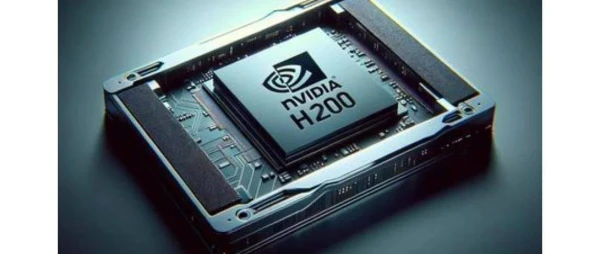
Nvidia has officially begun shipping its powerful H200 artificial intelligence chips to customers in China after receiving approval from U.S. authorities.
The decision marks one of the most significant developments in the AI hardware industry this year and could reshape competition in one of the world's largest technology markets.
The H200 is one of Nvidia's most advanced AI accelerators, designed for training and deploying large language models, generative AI systems, scientific computing, and enterprise AI workloads.
Compared with earlier generations, it offers substantially higher memory bandwidth and improved performance for demanding AI applications.
For months, access to advanced AI chips has been one of the biggest challenges facing Chinese technology companies because of U.S. export restrictions.
Those rules were introduced to limit access to cutting-edge semiconductor technology while balancing commercial interests and national security concerns.
With the latest approval, selected Chinese customers can once again receive Nvidia's H200 processors. The move is expected to help cloud providers, AI startups, and research organizations expand their AI infrastructure while accelerating development of new artificial intelligence models.
Demand for Nvidia hardware remains exceptionally strong around the world. Companies including Microsoft, OpenAI, Google, Meta, Amazon, xAI, Anthropic, and Oracle continue purchasing thousands of Nvidia GPUs to power increasingly sophisticated AI systems.
Industry analysts believe the renewed shipments could generate billions of dollars in additional revenue for Nvidia while strengthening its position as the world's leading supplier of AI accelerators.
Despite increasing competition from AMD, Intel, and custom chips developed by major cloud providers, Nvidia continues to dominate the AI hardware market.
The decision also reflects how central semiconductors have become in the global AI race. Governments increasingly view advanced AI chips as strategic technologies capable of influencing economic growth, scientific research, national security, and technological leadership.
At the same time, Chinese companies continue investing heavily in domestic AI hardware in an effort to reduce dependence on foreign suppliers.
While Nvidia's return provides short-term relief for many businesses, China is expected to continue developing its own AI processors to strengthen long-term technological independence.
For Nvidia, the resumption of H200 shipments represents another major milestone during an already record-breaking year. The company remains at the center of the AI revolution, supplying the computing power behind many of the world's most advanced AI systems.
As demand for artificial intelligence infrastructure continues to grow, every policy decision affecting AI chips is likely to have significant consequences for the future of global technology.