
12 Biggest Google I/O 2026 Announcements That Will Change AI Search, Gemini and the Future of Computing
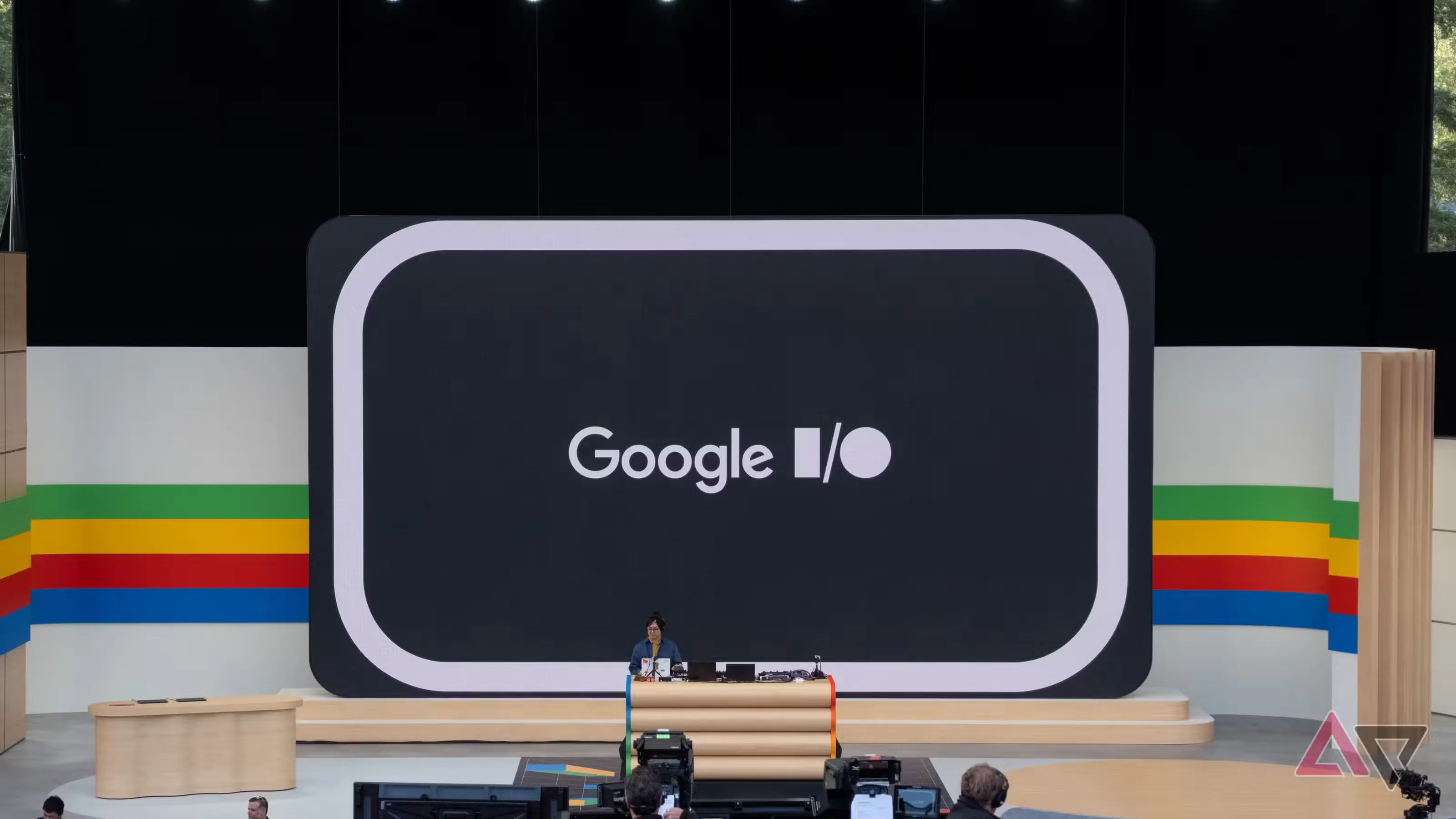
12 Biggest Google I/O 2026 Announcements That Will Change AI Search, Gemini and the Future of Computing
Google I/O 2026 was more than another developer conference. It was Google's clearest signal yet that the company is moving beyond chatbots and building an ecosystem where AI can understand, reason, create, and act on behalf of users.
The event introduced a new generation of Gemini models, intelligent search agents, personalized AI assistants, immersive XR devices, and advanced content verification tools.
Together, these announcements reveal Google's long-term vision: transforming AI from a tool people occasionally use into a digital partner that works continuously in the background.
Here are the 12 most important announcements from Google I/O 2026 and why they matter.
1. Gemini Omni Brings Video Generation to a New Level
Google introduced Gemini Omni, a new multimodal AI model capable of generating content from virtually any combination of inputs.
Users can combine:
- Text
- Images
- Audio
- Video
to create entirely new videos through natural conversation.
Unlike traditional AI video generators that require complex prompts, Gemini Omni allows users to edit videos conversationally.
Users can ask the model to change scenes, modify styles, add effects, or create entirely new sequences without starting from scratch.
The first version, Gemini Omni Flash, is rolling out through Gemini, Google Flow, YouTube Shorts, and YouTube Create.
The launch positions Google directly against OpenAI's Sora and other next-generation video generation systems.
2. Gemini 3.5 Flash Pushes AI Agents Into the Mainstream
One of the most significant launches at I/O was Gemini 3.5 Flash.
While previous AI models focused mainly on answering questions, Gemini 3.5 Flash is designed to complete complex tasks involving planning, coding, reasoning, and execution.
Google says the model delivers:
- Faster response times
- Better coding performance
- Stronger long-context reasoning
- Advanced agent capabilities
- Improved multimodal understanding
The model can work through multi-step tasks that previously required multiple prompts or human intervention.
This shift from answering questions to completing workflows marks one of the most important developments in AI during 2026.
3. Search Is Becoming an AI Agent
Google Search is entering a new era.
Instead of simply returning links, Search can now create dedicated Information Agents that continuously monitor topics on behalf of users.
For example, users can ask Search to:
- Track stock market developments
- Monitor AI industry news
- Follow product launches
- Watch specific companies
- Track sports teams
The agent then continuously gathers information from across the web and delivers updates automatically.
Rather than repeatedly searching for updates, users receive curated intelligence when something important happens.
This represents one of the largest changes to Search since Google's founding.
4. Search Can Now Build Interactive Experiences
Google is integrating Antigravity-powered generative interfaces directly into Search.
Instead of receiving static results, users can receive:
- Interactive dashboards
- Visual planners
- Custom calculators
- Dynamic trackers
- Personalized research tools
generated instantly by AI.
Imagine searching for:
"Help me plan my wedding budget."
Instead of articles and links, Search can create a fully interactive wedding planning application tailored to your needs.
This transforms Search from an information retrieval tool into a software creation platform.
5. Daily Brief Turns Gemini Into a Personal Morning Assistant
Google introduced Daily Brief, a personalized AI-generated daily report inside the Gemini app.
The system analyzes information from connected Google services including:
- Gmail
- Calendar
- Tasks
- Documents
and creates a customized morning summary.
The briefing highlights:
- Important emails
- Upcoming meetings
- Deadlines
- Follow-up actions
- Relevant updates
Rather than manually checking multiple apps, users receive a single intelligent overview of everything that matters.
6. Universal Cart Could Change Online Shopping
Google unveiled Universal Cart, an AI-powered shopping hub that works across Google's ecosystem.
Products added from:
- Search
- Gemini
- YouTube
- Gmail
are automatically collected into one intelligent cart.
The system then works in the background to:
- Track prices
- Monitor discounts
- Alert users about restocks
- Analyze price history
- Recommend better purchasing opportunities
Google is effectively turning online shopping into an automated experience where AI continuously hunts for better deals.
7. Neural Expressive Redesigns the Gemini Experience
Google introduced Neural Expressive, a major redesign of the Gemini interface.
The new experience moves beyond traditional text conversations by generating:
- Interactive timelines
- Dynamic graphics
- Rich visual explanations
- AI-generated videos
- Enhanced multimedia responses
Instead of reading blocks of text, users receive information presented in the most effective visual format.
This makes AI interactions more engaging and easier to understand.
8. Gemini Spark Becomes Your Personal AI Agent
Perhaps the most ambitious announcement of the event was Gemini Spark.
Spark operates as a persistent AI agent that works continuously in the background.
Users can assign tasks such as:
- Monitoring projects
- Managing workflows
- Organizing information
- Scheduling activities
- Tracking important updates
Unlike traditional assistants, Spark continues working even when the user is offline.
The system represents Google's vision of a future where AI functions as a digital employee rather than a chatbot.
9. Gemini for macOS Gets Major Upgrades
Google confirmed major improvements for the Gemini desktop experience on macOS.
Upcoming features include:
- Deep local file access
- Workflow automation
- Enhanced voice interactions
- Context-aware productivity tools
One of the standout capabilities allows users to speak naturally while Gemini automatically transforms rough ideas into polished documents.
The feature could significantly streamline writing, note-taking, and professional workflows.
10. Android XR Smart Glasses Move Closer to Reality
Google revealed new intelligent eyewear powered by Android XR.
The company showcased two categories:
Audio Glasses
These provide:
- Voice assistance
- Music playback
- Navigation
- Calls
- Notifications
without requiring users to look at a screen.
Display Glasses
These add visual overlays directly into the user's field of view.
Potential applications include:
- Real-time directions
- Live translations
- Productivity tools
- AI assistance
- Augmented reality experiences
The announcement suggests smart glasses may finally be approaching mainstream adoption.
11. SynthID Expands AI Content Verification
As AI-generated content becomes increasingly realistic, Google is expanding SynthID, its content authentication technology.
According to Google, SynthID has already watermarked:
- More than 100 billion AI-generated images and videos
- Over 60,000 years of audio content
The technology is now expanding to:
- Search
- Chrome
- Gemini
- Enterprise products
Users will be able to determine whether content originated from AI systems or traditional cameras and whether it has been modified using generative AI tools.
This could become a critical tool in combating misinformation and deepfakes.
12. Gemini for Science Could Accelerate Research Breakthroughs
Google introduced Gemini for Science, a collection of AI tools designed specifically for scientific research.
The platform combines:
- Advanced reasoning
- Deep Research capabilities
- Scientific databases
- Research automation tools
with access to more than 30 major life-science resources.
Researchers can use Gemini to:
- Analyze scientific literature
- Generate hypotheses
- Explore biological datasets
- Accelerate discovery workflows
The initiative demonstrates how AI is moving beyond consumer applications into specialized scientific environments.
Google I/O 2026 showed that the future of AI is no longer centered on chatbots. Google's biggest announcements focused on AI systems that can observe, reason, create, automate, and take action across entire workflows.
From Gemini Omni's multimodal creativity to Gemini Spark's always-on assistance and Search's transformation into an intelligent agent platform, the company is building toward a future where AI becomes deeply integrated into everyday digital life.
For developers, businesses, and consumers alike, the technologies unveiled at I/O 2026 offer perhaps the clearest glimpse yet of what the next generation of computing will look like.